
Dialog window

Now Accepting Applications for the 2026-2027
Public Health & Primary Care Leadership Institute


APPLICATION DEADLINE EXTENDED TO JULY 13, 2026.

Click here for more information!

Region IV Public Health Training Center
  • ABOUT THE CENTER
    • About the Center
    • Central Office
    • Our Impact
    • Community-Based Training Partners
      • Alabama Public Health Training Network
      • East Tennessee State University
      • Kentucky Population Health Institute
      • Medical University of South Carolina
      • Mississippi Public Health Institute
      • North Carolina Public Health Association
      • USF Center for Leadership in Public Health Practice
    • Technical Assistance Providers
    • Steering Committee
  • TRAININGS
    • Training Catalog
    • Leading Public Health Podcast
    • Georgia Hurricane Response Hub
    • Georgia Boards of Health
    • SNAP-Ed
  • LEADERSHIP INSTITUTE
  • FIELD PLACEMENTS
  • NEWS AND EVENTS
  • RESOURCES
  • CONTACT US
Select Page
Understanding the Uniform: A Campfire Chat on Connecting Military Culture with Public Health

Understanding the Uniform: A Campfire Chat on Connecting Military Culture with Public Health

by R-IV PHTC | Dec 3, 2025 | Featured Training, Training

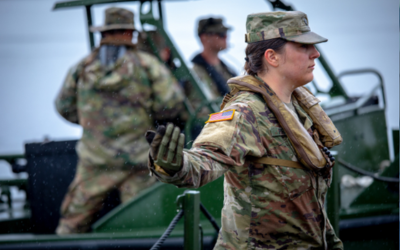
Caucasian woman in military uniform in front of a boat with other military officers onboard

Understanding the Uniform: A Campfire Chat on Connecting Military Culture with Public Health

Year:  2025  |  Competency/Strategic Skill: Community and Partner Engagement, Public Health Fundamentals  |  Priority Topic: N/A  |  Setting:  Online  |  Format:  On-Demand  |  Sponsor:  Emory University/Central Office

access training

Overview:

This is a 90-minute recording of a live webinar on January 20, 2026, from 12 – 1:30 pm ET. 

Join us for a Campfire chat focused on understanding the National Guard community and its public health needs. This presentation examines the intersection of National Guard culture and public health, emphasizing the vital role of service members in community health initiatives and emergency response. We will discuss the impact of military training on public health preparedness, the importance of Integrated Primary Prevention, and collaboration with public health agencies during crises.  Attendees will gain insights into the cultural values of the National Guard and their implications for enhancing public health outcomes at all levels.

Presenter:

Dr. Mike Crum is a former Marine with a Bachelors, Master’s and Doctorate in Social Work. For the last 10 years Mike has worked in Suicide Prevention at a community and macro level educating about the needs of service members and veterans. Mikes work within the Army National Guard has led to training thousands of Soldiers in Resilience and Suicide Prevention Education. Mike currently works to address protective and risk factors for the Army National Guard and informs leadership how to curb trends on topics like suicide, domestic violence, sexual assault and abuse and neglect. For the past 10 years Mike has worked in the world of Suicide Prevention, training, education, and working to make more suicide safer communities. 

Mike currently lives in Florida with his wife who works for the Public Health Department in Maternity/Infant Healthcare, they have two cats Mr. Twiggers and Mr. Milo. They both love the sunshine and beach! 


Learning Objectives: By the end of this webinar, participants will be able to:

  • Summarize integrated primary prevention for public health and the National Guard.
  • Recognize the protective and risk factors that National Guard Soldiers experience.
  • Identify ways to collaborate and partner with their primary prevention teams to enhance public health support for National Guard Soldiers.

CERTIFICATE: The course contains two modules: a module to access the webinar and an evaluation module. After accessing these modules, learners will earn a certificate of completion.

This project is supported by the Health Resources and Services Administration (HRSA) of the U.S. Department of Health and Human Services (HHS) under grant number UB6HP31680, Public Health Training Centers for $4,348,992. This information or content and conclusions are those of the author and should not be construed as the official position or policy of, nor should any endorsements be inferred by HRSA, HHS or the U.S. Government.
access training

Search the Training Catalog

  • Competencies/Strategic Skills

  • Priority Topics

  • Settings

  • Training Format

  • Sponsor

  • Training Year

  • Reset Filters
Collaborations to Prevent Overdose

Collaborations to Prevent Overdose

by R-IV PHTC | Jul 14, 2025 | Featured Training, Training

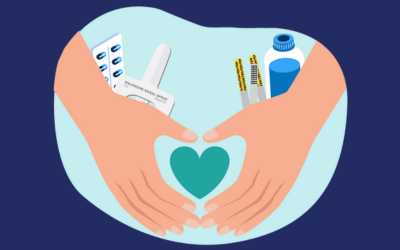
Elderly couple talking with a social worker

Collaborations to Prevent Overdose

Year:  2025  |  Competency/Strategic Skill: Community and Partner Engagement; Public Health Fundamentals  |  Priority Topic: Opioid Abuse  |  Setting:  Online  |  Format:  On-Demand  |  Sponsor:  Emory University/Central Office; Injury Prevention Research Center at Emory (IPRCE)

access training

Overview:

This is a 90-minute recording of a live webinar on August 26, 2025. 

This webinar will bring together individuals working to prevent overdoses in their communities through collaborations with prevention groups, harm reduction organizations, and local public health authority. The presenter will provide case examples of collaborations in the field working to improve health outcomes for individuals who use drugs. This webinar will review best practices related to responding and reversing an overdose and overdose education and naloxone distribution.

Shelby Meaders, MPH, is the Director of Expansion at IDEA Exchange Miami, Florida’s first sanctioned syringe services program at the University of Miami Miller School of Medicine. Shelby provides technical assistance to all sanctioned and future syringe services programs. Previously, Shelby was the Executive Director of Florida Harm Reduction Collective and a Project Director and Overdose Prevention Coordinator at the Florida Department of Children and Families in the Office of Substance Abuse and Mental Health where she managed a statewide naloxone distribution program. Shelby received her Bachelor of Science followed by a Master of Public Health with a specialization in Health Policy and Management. Shelby is the current Board Secretary for Creative Clay in Pinellas County and Board Treasurer for the Florida Public Health Association. Shelby resides in St. Petersburg, Florida.

Learning Objectives: By the end of this webinar, participants will be able to:

  • Define harm reduction.
  • Recognize examples of harm reduction practices.
  • Recall best practices to respond to and reverse an opioid overdose.
  • Identify ways to implement evidence-based initiatives to prevent overdoses in their communities.

    CERTIFICATE: The course contains two modules: a module to access the webinar and an evaluation module. After accessing these modules, learners will earn a certificate of completion.

    This project is supported by the Health Resources and Services Administration (HRSA) of the U.S. Department of Health and Human Services (HHS) under grant number UB6HP31680, Public Health Training Centers for $4,348,992. This information or content and conclusions are those of the author and should not be construed as the official position or policy of, nor should any endorsements be inferred by HRSA, HHS or the U.S. Government.

    access training

    Search the Training Catalog

    • Competencies/Strategic Skills

    • Priority Topics

    • Settings

    • Training Format

    • Sponsor

    • Training Year

    • Reset Filters
    Foundations of Community Engagement and Outreach for Improving Health Outcomes Series

    Foundations of Community Engagement and Outreach for Improving Health Outcomes Series

    by R-IV PHTC | Oct 24, 2024 | Featured Training, Training

    Foundations of Community Engagement and Outreach for Improving Health Outcomes Series

    Year:  2024  |  Competency/Strategic Skill:  Community and Partner Engagement; Public Health Fundamentals  |  Priority Topic:  N/A  |  Setting:  Online  |  Format:  On-demand  |  Sponsor:  Emory University/Central Office

    Overview:

    Each webinar recording is 90 minutes in length.

    Foundations of Community Engagement and Outreach for Improving Health Outcomes is a three-part webinar series designed to build capacity in effective community engagement and outreach. It focuses on overcoming barriers, fostering trust, and developing sustainable practices to improve health outcomes. Each session addresses key challenges and solutions to equip health departments with knowledge, skills, and resources to improve their community outreach efforts. Learners may choose to register for all webinars in the series or for individual sessions.

    Webinar 1: Building Trust and Relationships with Communities — This webinar introduces community engagement, focusing on strategies for building trust and relationships with communities. It covers methods to address historical mistrust and develop meaningful partnerships. The goal of this session is to equip local health department staff with actionable community engagement and outreach strategies to improve health outcomes.

    Webinar 2: Breaking Barriers Through Effective Communication with Communities — This webinar explores effective communication strategies for engaging with communities in a culturally responsive manner. It will address language and literacy barriers, misinformation, and the need for culturally sensitive interactions. The goal of this session is to equip participants with practical tools and techniques for fostering clear, respectful, and impactful communication with diverse populations.

    Webinar 3: Sustaining Engagement and Achieving Health Outcomes with Communities — This webinar will focus on strategies for maintaining long-term community partnerships and the importance of evaluating engagement efforts. Participants will learn the importance of creating sustainable practices and assessing the impact of community engagement activities. The goal of this session is to provide participants with the knowledge and tools to foster enduring relationships with community partners, implement consistent and effective engagement practices, and utilize evaluation methods to measure and improve the outcomes of their initiatives.


    Search the Training Catalog

    • Competencies/Strategic Skills

    • Priority Topics

    • Settings

    • Training Format

    • Sponsor

    • Training Year

    • Reset Filters
    Making Connections: Enhancing Collaboration through Effective Communication and Person-Centered Engagement

    Making Connections: Enhancing Collaboration through Effective Communication and Person-Centered Engagement

    by R-IV PHTC | Aug 23, 2024 | Featured Training, Training

    Where the Sidewalk Ends

    Making Connections: Enhancing Collaboration through Effective Communication and Person-Centered Engagement

    Year:  2024  |  Competency/Strategic Skill: Community and Partner Engagement; Communication Skills  |  Priority Topic: N/A |  Setting:  Online  |  Format:  On-Demand |  Sponsor:  Emory University/Central Office

    Overview:

    This is a recording of a webinar held on August 20, 2024.

    This webinar will focus on effective communication, increasing awareness, and the importance of active listening when engaging with colleagues, clients, and others. We will use interactive activities and discussions to teach techniques such as; active listening, positive reinforcement, and clear feedback. There will also be an emphasis on cultural humility. The goal is to improve communication with others in the workplace and in their community.

    Lamarr Lewis, MA, LAPC, CPRP, is a dedicated advocate, author, and agent of change. He is an alumnus of Wittenberg University graduating with a Bachelor of Arts in Sociology with minors in Africana Studies and Religion. He later received his master’s degree in clinical mental health counseling from Argosy University. His career spans over twenty years with experience as a therapist, consultant, public speaker, facilitator, trainer, and human service professional. He has been a featured expert for such organizations as; Boeing, Region IV Public Health Training Center, Fulton County Probate Court, Mississippi Department of Health, the Mississippi Band of Choctaw Indians, and many more. His lifelong mission is to leave the world better than how he found it.

    Learning Objectives: By the end of this webinar, participants will be able to:

    • Describe at least 2 techniques to enhance open communication, collaboration, and active listening.
    • Apply best practice concepts to mediate and diffuse potential conflicts through empathetic, person-centered methods within community and professional settings.
    • Identify strategies to bridge communication gaps between different areas.

      CERTIFICATE: The course contains two modules: a module to access the webinar and an evaluation module. After accessing both modules, learners will earn a certificate of completion. When the certificate is available, learners will see a Certificate button on their dashboard.

      This project is supported by the Health Resources and Services Administration (HRSA) of the U.S. Department of Health and Human Services (HHS) under grant number UB6HP31680, Public Health Training Centers for $4,348,992. This information or content and conclusions are those of the author and should not be construed as the official position or policy of, nor should any endorsements be inferred by HRSA, HHS or the U.S. Government.

      access training

      Search the Training Catalog

      • Competencies/Strategic Skills

      • Priority Topics

      • Settings

      • Training Format

      • Sponsor

      • Training Year

      • Reset Filters
      Region IV Public Health Training Center | All Rights Reserved | ©2026 This project is supported by the Health Resources and Services Administration (HRSA) of the U.S. Department of Health and Human Services (HHS) under grant number UB6HP31680, Public Health Training Centers for $4,348,992. This information or content and conclusions are those of the author and should not be construed as the official position or policy of, nor should any endorsements be inferred by HRSA, HHS or the U.S. Government.