Dialog window

Now Accepting Applications for the 2026-2027
Public Health & Primary Care Leadership Institute


APPLICATION DEADLINE IS JUNE 30,2026.

Click here for more information!

Region IV Public Health Training Center
  • ABOUT THE CENTER
    • About the Center
    • Central Office
    • Our Impact
    • Community-Based Training Partners
      • Alabama Public Health Training Network
      • East Tennessee State University
      • Kentucky Population Health Institute
      • Medical University of South Carolina
      • Mississippi Public Health Institute
      • North Carolina Public Health Association
      • USF Center for Leadership in Public Health Practice
    • Technical Assistance Providers
    • Steering Committee
  • TRAININGS
    • Training Catalog
    • Leading Public Health Podcast
    • Georgia Hurricane Response Hub
    • Georgia Boards of Health
    • SNAP-Ed
  • LEADERSHIP INSTITUTE
  • FIELD PLACEMENTS
  • NEWS AND EVENTS
  • RESOURCES
  • CONTACT US
Select Page
Bridging the AI Gap: From Pilot Projects to Sustainable AI Governance in Public Health

Bridging the AI Gap: From Pilot Projects to Sustainable AI Governance in Public Health

by R-IV PHTC | Jan 13, 2026 | Featured Training, Training

Caucasian woman in military uniform in front of a boat with other military officers onboard

Bridging the AI Gap: From Pilot Projects to Sustainable AI Governance in Public Health

Year:  2026  |  Competency/Strategic Skill: Change Management; Data Analytics and Assessment; Problem Solving  |  Priority Topic: N/A  |  Setting:  Online  |  Format:  On-Demand  |  Sponsor:  Emory University/Central Office

access training

Overview:

This is a 90-minute recording of a live webinar on February 10, 2026, from 12 – 1:30 pm ET.  

Uncover the paradox facing public health today: more than 75% of agencies are experimenting with AI tools, yet 85% still lack the governance policies needed to use them responsibly. This session will discuss findings from a landmark survey of 25+ state and local health departments, exploring the critical gap between AI enthusiasm and responsible implementation. Learn how to navigate concerns around data privacy, algorithmic bias, and public trust while harnessing AI’s transformative efficiency. Walk away with a practical readiness checklist to move your organization from experimentation to sustainable AI adoption.

Presenters:

Anil Jain, MD, FACP, is Chief Innovation Officer at Innovaccer. He brings extensive experience from IBM Watson Health, the Cleveland Clinic, and Explorys to drive clinical informatics, interoperability, and digital transformation. Dr. Jain leads the development of Innovaccer’s Health Cloud innovations to unify data and workflows across care ecosystems. 

Nate Wienert is the Area Vice President, Public Sector at Innovaccer. With over two decades of experience in healthcare, Nate offers a diverse perspective on programs serving the nation’s most vulnerable communities. At Innovaccer, Nate collaborates with health and human service clients, utilizing our cutting-edge data integration, analytics, and value-based payment solutions to elevate health outcomes.

Britteny Matero is a Partner and Senior Vice President at Innsena, a health care technology go-to-market consultancy. Britteny works closely with health tech companies, HIEs, and state and federal partners to identify opportunities that support healthcare strategies and advance critical initiatives. Britteny oversees the Market Access line of business. Britteny comes to Innsena from Collective Medical, where she was the Sr. Director of Government Relations, Public Policy, and Social Impact. Prior to that, she spent nearly 12 years in state and local government. As a Director/Manager with Oregon Health Authority’s (OHAs) Office of Health Information Technology (OHIT), she helped establish Oregon’s public-private partnership for statewide health IT adoption and spread, oversaw health information exchange (HIE) and interoperability programs, and also managed the Medicaid EHR Incentive Program


Learning Objectives: By the end of this webinar, participants will be able to:

  • Analyze the AI readiness gap in public health organizations.
  • Recognize why governance frameworks are essential for sustainable implementation.
  • Evaluate key ethical and operational challenges in AI adoption, including data privacy concerns and strategies for building public trust.
  • Identify actionable strategies for closing the adoption-governance gap through structured data integration with community-centered AI deployment that supports public health’s mission.

CERTIFICATE: The course contains two modules: a module to access the webinar and an evaluation module. After accessing these modules, learners will earn a certificate of completion.

This project is supported by the Health Resources and Services Administration (HRSA) of the U.S. Department of Health and Human Services (HHS) under grant number UB6HP31680, Public Health Training Centers for $4,348,992. This information or content and conclusions are those of the author and should not be construed as the official position or policy of, nor should any endorsements be inferred by HRSA, HHS or the U.S. Government.


access training

Search the Training Catalog

  • Competencies/Strategic Skills

  • Priority Topics

  • Settings

  • Training Format

  • Sponsor

  • Training Year

  • Reset Filters
The Prescription for Response: Hurricane Helene Emergency Coordination and Resource Management in Tennessee

The Prescription for Response: Hurricane Helene Emergency Coordination and Resource Management in Tennessee

by Tara Poole | Apr 2, 2025 | Featured Training, Training

Elderly couple talking with a social worker

The Prescription for Response: Hurricane Helene Emergency Coordination and Resource Management in Tennessee

Year:  2025  |  Competency/Strategic Skill: Problem Solving; Program Planning; Resource Management and Financial Planning  |  Priority Topic: NA  |  Setting:  Online  |  Format:  On-Demand  |  Sponsor:  Emory University/Central Office

Overview:

This is a 90-minute recording of a live webinar on May 6, 2025.

In this presentation, you will learn about the aftermath of Hurricane Helene and its impact on Tennessee. We will highlight public health and medical response efforts, including critical deployable equipment and strike teams utilized during the disaster. Additionally, we will explore pharmacy-related planning and response topics addressed throughout the event. This session will also cover successes and lessons learned from the response, providing valuable insights to inform strategies for mitigating the impact of future disasters.

Paul E. Petersen, PharmD, MPH, CEM, is the Director of the Tennessee Department of Health’s Emergency Preparedness Program. Dr. Petersen leads Tennessee’s response to all public health and medical emergencies. Tennessee has experienced a wide range of threats and public health emergencies requiring decisive action by program staff, health care coalitions, and other response partners. During the COVID-19 pandemic, he also served as the interim Director for the Vaccine-Preventable Disease and Immunization Program.  

Originally from California, he earned his Doctor of Pharmacy degree at the University of the Pacific Thomas L. Long School of Pharmacy and Health Sciences in 2001. Dr. Petersen completed his PGYI Pharmacy Practice Residency at Saint Thomas Hospital in Nashville, where he also served as the Clinical Operating Room Pharmacist prior to his move to state government in 2005. He completed his Master of Public Health degree at East Tennessee State University in 2022. He serves on various national preparedness policy committees, including work with the National Academies, National Emergency Management Association, and the Association of State and Territorial Health Officials. He is also an active member of several professional public health and pharmacy associations, including the 2025 President of the Nashville Area Pharmacists Association. 

Learning Objectives: By the end of this webinar, participants will be able to:

  • Describe the aftermath of Helene on infrastructure in Tennessee.
  • Summarize the health and medical response efforts, including deployable equipment leveraged during Helene.
  • Illustrate pharmacy-related planning and response topics that were navigated during Helene.
  • Prioritize critical emergency preparedness and response efforts to mitigate the impact of future disasters.

    CERTIFICATE: The course contains two modules: a module to access the webinar and an evaluation module. After accessing the two modules, learners will earn a certificate of completion. When the certificate is available, learners will see a Certificate button on their dashboard.

    This project is supported by the Health Resources and Services Administration (HRSA) of the U.S. Department of Health and Human Services (HHS) under grant number UB6HP31680, Public Health Training Centers for $4,348,992. This information or content and conclusions are those of the author and should not be construed as the official position or policy of, nor should any endorsements be inferred by HRSA, HHS or the U.S. Government.

    access training

    Search the Training Catalog

    • Competencies/Strategic Skills

    • Priority Topics

    • Settings

    • Training Format

    • Sponsor

    • Training Year

    • Reset Filters

    Leveraging Motivational Interviewing to Foster Positive Behavioral Change in Injury Prevention with Teens

    Leveraging Motivational Interviewing to Foster Positive Behavioral Change in Injury Prevention with Teens

    by R-IV PHTC | Sep 4, 2024 | Featured Training, Training

    Elderly couple talking with a social worker

    Leveraging Motivational Interviewing to Foster Positive Behavioral Change in Injury Prevention with Teens

    Year:  2024  |  Competency/Strategic Skill: Communication, Problem-Solving |  Priority Topic: N/A |  Setting:  Online  |  Format:  On-Demand  |  Sponsor:  Emory University/Central Office, Injury Prevention Research Center at Emory University (IRPCE), Children’s Healthcare of Atlanta

    Overview:

    This is a 90-minute recording of a live webinar on November 15, 2024.

    Motivational interviewing (MI) is a collaborative communication technique that aims to strengthen a person’s commitment and motivation to change. This webinar will review the basic concepts and skills needed to promote behavior change, especially when there is limited time with individuals. In this webinar, MI skills will be demonstrated through case scenarios related to injury prevention topics relevant to teens such as helmet use and teen driving behaviors. You will see these MI strategies applied to real life scenarios with engagement opportunities to practice applying these skills.

    Amanda Batlle, MSN,RN, CPNP-PC, NPD-BC, is the Manager of Injury and Illness Prevention for Child Advocacy at Children’s Healthcare of Atlanta. She leads a team that focuses on reducing preventable injuries in Georgia’s children.  Amanda also serves as the State Leader for Safe Kids Georgia which supports a network of local coalitions across the state in injury prevention efforts. Additionally, Amanda is the Atlanta Chapter Program Coordinator for Injury Free Coalition for Kids. Her work focuses on the top causes of preventable deaths in children including motor vehicle safety, firearm safety, drowning prevention, and safe sleep practices through program development, implementation, and evaluation.

    Amanda is a primary care pediatric nurse practitioner and board-certified nursing professional development specialist. Her passion for keeping Georgia’s children healthy and safe through prevention education led Amanda to manage Children’s injury prevention programming after managing education, quality and accreditation for Children’s ambulatory clinics. Prior to joining Children’s, Amanda supported children in a number of ways, including teaching, nursing and working as a provider in both a private pediatric practice and a Federally Qualified Health Center serving the under- and uninsured. Seeing the various disparities in health outcomes, access to health services, and access to resources, Amanda became committed to ensuring all children have equitable access to the best care.

    Amanda earned her Bachelor of Education in kinesiology from the University of Georgia and her Master of Science in nursing from Vanderbilt University. Amanda is pursuing a Doctorate of Nursing Practice and Master of Public Health at Johns Hopkins University, which she will complete in 2025.

    Learning Objectives: By the end of this webinar, participants will be able to:

    • Identify the 4 key components of motivational interviewing and how they are applied.
    • Recognize when to apply motivational interviewing skills using case scenarios.
    • Assess a person’s readiness for behavior change.

      CERTIFICATE: The course contains two modules: a module to access the webinar and an evaluation module. After accessing the two modules, learners will earn a certificate of completion. When the certificate is available, learners will see a certificate button on their dashboard.

      This project is supported by the Health Resources and Services Administration (HRSA) of the U.S. Department of Health and Human Services (HHS) under grant number UB6HP31680, Public Health Training Centers for $4,348,992. This information or content and conclusions are those of the author and should not be construed as the official position or policy of, nor should any endorsements be inferred by HRSA, HHS or the U.S. Government.

      access training

      Search the Training Catalog

      • Competencies/Strategic Skills

      • Priority Topics

      • Settings

      • Training Format

      • Sponsor

      • Training Year

      • Reset Filters

      Pandemics, Infodemics and Information Overload: How Consistent, Clear Communication Can Help in Future Outbreaks

      Pandemics, Infodemics and Information Overload: How Consistent, Clear Communication Can Help in Future Outbreaks

      by R-IV PHTC | Oct 3, 2023 | Training

      Where the Sidewalk Ends

      Pandemics, Infodemics and Information Overload: How Consistent, Clear Communication Can Help in Future Outbreaks

      Year:  2023 |  Competency/Strategic Skill:  Communication; Problem Solving; Leadership and Systems Thinking  |  Priority Topic: Other Infectious Diseases |  Setting:  Online  |  Format:  On-Demand  |  Sponsor:  Emory University/Central Office; University of Alabama at Birmingham

      he Overview:

      This is a recording of a webinar held on November 7, 2023.

      In this webinar, Dr. Wallace, Epidemiologist and Adjunct Assistant Professor of Epidemiology at the University of Illinois at Chicago, School of Public Health, will discuss infodemics and how they occur, talk through misinformation vs. correct information and how they both can contribute to infodemics and will review the problem of infodemics and how we can reduce information overload and confusion by prioritizing consistent and clear scientific communication to mitigate public confusion and information fatigue. This webinar is presented by the Alabama Regional Center for Infection Prevention and Control and cosponsored by the Region IV Public Health Training Center.

      Dr. Katrine Wallace holds a Ph.D. in Epidemiology and has 15+ years of professional research experience in epidemiology, research design, pharmacoepidemiology, health economics, outcomes research, and biostatistics. She is currently an epidemiologist and adjunct assistant professor of epidemiology at the University of Illinois at Chicago, School of Public Health. She is also known as “Dr. Kat” on her popular social media channels, where she educates on epidemiology, vaccines, and the COVID-19 pandemic. She has been an invited speaker in the US and internationally and has presented research at over 20 scientific congresses. A vaccine advocate, she serves as a member of “Team Halo” (United Nations Verified Initiative), Project FIDES (World Health Organization) and was chosen as a “vaccine luminary” for the 2021 G7 Vaccine Confidence Summit. Dr. Wallace has also been featured as an opinion contributor for The Hill, and has been interviewed or profiled in several mainstream media outlets such as; BBC World News, The  Washington Post, Good Morning America, Bloomberg, CBS News, and National Public Radio.

      This webinar is presented by the Alabama Regional Center for Infection Prevention and Control Training and Technical Assistance and cosponsored by the Region IV Public Health Training Center.

      access training

      Search the Training Catalog

      • Competencies/Strategic Skills

      • Priority Topics

      • Settings

      • Training Format

      • Sponsor

      • Training Year

      • Reset Filters
      Operational Challenges for EMS during COVID-19

      Operational Challenges for EMS during COVID-19

      by R-IV PHTC | Jul 13, 2020 | Training

      Operational Challenges for EMS during COVID-19

      Year:  2020  |  Competency/Strategic Skill:  Problem Solving |  Priority Topic:  Other Infectious Disease  |  Setting:  Online  |  Format:  On-Demand  |  Sponsor:  Emory University/Central Office

      Overview:

      This is a 60-minute recording of a webinar held on July 21, 2020. This webinar is co-sponsored by the Alabama Fire College Workplace Safety Training Program and the Deep South Biosafety Worker Training Program.

      The COVID-19 pandemic has created numerous challenges for EMS including out-of-hospital management of patients and PPE use by EMS personnel. Dr. Lekshmi Kumar will discuss the operational changes that have been adapted by Grady EMS during the COVID-19 pandemic including changes to personnel and PPE for patient and personal safety, airway management, resuscitation, and cessation when responding to a cardiac arrest patient. Dr. Isakov will discuss best practices in protecting EMS healthcare personnel and strategies for overcoming PPE resource challenges and complacency in the use of PPE by EMS personnel.

      access training

      Search the Training Catalog

      • Competencies/Strategic Skills

      • Priority Topics

      • Settings

      • Training Format

      • Sponsor

      • Training Year

      • Reset Filters

      Crisis on Top of Crisis: Guidance for Disaster Shelters during the COVID-19 Pandemic and How to Deliver the Message

      Crisis on Top of Crisis: Guidance for Disaster Shelters during the COVID-19 Pandemic and How to Deliver the Message

      by R-IV PHTC | Jun 23, 2020 | Training

      Crisis on Top of Crisis: Guidance for Disaster Shelters during the COVID-19 Pandemic and How to Deliver the Message

      Year:  2020  |  Competency/Strategic Skill:  Problem Solving |  Priority Topic:  Other Infectious Disease  |  Setting: Online  |  Format:  On-demand  |  Sponsor:  Emory University/Central Office

      Overview:

      This is a 90-minute recording of a webinar held on July 2, 2020. This webinar is co-sponsored by the Georgia Hurricane Response Hub.

      Preparing for hurricane season can be stressful especially during the COVID-19 pandemic. During this webinar, CDC experts will discuss special considerations for general population hurricane shelters during the COVID-19 pandemic and how community leaders, nonprofit organizations, and public health professionals can effectively communicate messages. They will also share hurricane resources and educational materials you can use and distribute within your own communities.

      access training

      Search the Training Catalog

      • Competencies/Strategic Skills

      • Priority Topics

      • Settings

      • Training Format

      • Sponsor

      • Training Year

      • Reset Filters

      Understanding Models to Predict Viral Spread and Community Impact

      Understanding Models to Predict Viral Spread and Community Impact

      by R-IV PHTC | May 14, 2020 | Training

      Understanding Models to Predict Viral Spread and Community Impact

      Year:  2020  |  Competency/Strategic Skill:  Problem Solving, Leadership and Systems Thinking |  Priority Topic:  Other Infectious Diseases  |  Setting:  Online  |  Format:  On-Demand  |  Sponsor:  Emory University/Central Office

      Overview:

      This is a recording of a 90-minute webinar.

      In this presentation we will discuss how models predict viral spread including the spread of COVID-19 as well as the impact it has on the community. We will review three modeling strategies used to model viral spread and how assumptions in models impact decisions made from various model outputs. We will also explore how models are used in public health policy to control infectious disease spread.

      access training

      Search the Training Catalog

      • Competencies/Strategic Skills

      • Priority Topics

      • Settings

      • Training Format

      • Sponsor

      • Training Year

      • Reset Filters
      Building Psychological Resilience for the Public Health Workforce during the COVID19 Pandemic

      Building Psychological Resilience for the Public Health Workforce during the COVID19 Pandemic

      by R-IV PHTC | Apr 9, 2020 | Training

      Building Psychological Resilience for the Public Health Workforce during the COVID19 Pandemic

      Year:  2020  |  Competency/Strategic Skill:  Problem Solving |  Priority Topic:  Mental Health  |  Setting:  Online  |  Format:  On-demand  |  Sponsor:  Emory University/Central Office

      Overview:

      This is a 70-minute recording of a live webinar. The Southeast Mental Health Technology Transfer Center co-sponsored this webinar.

      The COVID-19 pandemic has led to a second pandemic of stress, anxiety and fear. As public health workers, your work has a unique level of stress during this time. We are best able to maintain our mental health through these difficult times if we stay aware of the effects of stress, take steps to stay mentally healthy, and maintain connections with others. This webinar will offer information on awareness, self-care and connection with others so public health workers can develop a plan for maintaining their mental health. We will discuss common issues such as coping with fear, anxiety and loss; changing work demands; navigating family relationships; and coping with an uncertain future as the pandemic continues.

      access training

      Search the Training Catalog

      • Competencies/Strategic Skills

      • Priority Topics

      • Settings

      • Training Format

      • Sponsor

      • Training Year

      • Reset Filters

      Practical Public Health Ethics: Making Good Decisions about Challenging Issues

      Practical Public Health Ethics: Making Good Decisions about Challenging Issues

      by R-IV PHTC | Jan 13, 2020 | Training

      Practical Public Health Ethics: Making Good Decisions about Challenging Issues

      Year:  2018  |  Competency/Strategic Skill:  Problem Solving  |  Priority Topic:  N/A  |  Setting:  Online  |  Format:  On-Demand  |  Sponsor:  Emory University/Central Office

      Overview:

      This is a 90-minute recording of a live webinar.

      Health officials regularly face tough decisions involving ethics such as allocating scare resources or ensuring that risks and benefits are equitably distributed. This webinar introduces participants to public health ethics, describes practical skills for ethical decision making, and provides links to resources for meeting the new Public Health Accreditation Board standards for addressing ethical issues. We also call attention to the human-centered design approach and highlight Brokered Dialogue, an innovative method for dealing with controversial topics such as establishing Syringe Service Programs to address the opioid crisis. We will conclude by discussing an ethics case study centered on childhood obesity.

      access training

      Search the Training Catalog

      • Competencies/Strategic Skills

      • Priority Topics

      • Settings

      • Training Format

      • Sponsor

      • Training Year

      • Reset Filters

      Building Response-Ready State and Local Health Departments Across the Nation

      Building Response-Ready State and Local Health Departments Across the Nation

      by R-IV PHTC | Jan 13, 2020 | Training

      Building Response-Ready State and Local Health Departments Across the Nation

      Year:  2017  |  Competency/Strategic Skill:  Problem Solving  |  Priority Topic:  N/A  |  Setting:  Online  |  Format:  On-Demand  |  Sponsor:  Emory University/Central Office

      Overview:

      This is a 90-minute recording of a live webinar.

      This webinar will discuss an overview of the Center for Disease Control and Prevention’s (CDC) Division of State and Local Readiness and Public Health Emergency Preparedness (PHEP) Program, including the following: Public Health Preparedness Capabilities, State and Local Operational Readiness, Public Health Emergency Preparedness Resources, and Role of Public Health in Emergency Response.

      access training

      Search the Training Catalog

      • Competencies/Strategic Skills

      • Priority Topics

      • Settings

      • Training Format

      • Sponsor

      • Training Year

      • Reset Filters
      An Introduction to Harm Reduction

      An Introduction to Harm Reduction

      by R-IV PHTC | Jan 10, 2020 | Training

      An Introduction to Harm Reduction

      Year:  2019  |  Competency/Strategic Skill:  Problem Solving  |  Priority Topic:  Opioid Abuse  |  Setting:  Online  |  Format:  On-Demand  |  Sponsor:  Emory University/Central Office

      Overview:

      This is a 90-minute recording of a live webinar held on November 18, 2019.

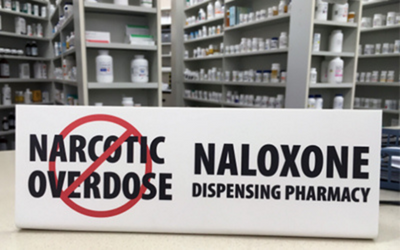
      What is harm reduction? How does it improve public health? By focusing on positive change, harm reduction encompasses a range of evidence-based and cost-effective services to reduce negative consequences for people who use drugs. During this webinar you will learn about specific harm reduction interventions including Syringe Service Programs (SSP) and Naloxone distribution. Also there will be insight into a few of the barriers to successfully implement harm reductions programs as well as how these programs can make the community stronger and more capable of reducing overdose, disease burden and community isolation.

      ACCESS TRAINING

      Search the Training Catalog

      • Competencies/Strategic Skills

      • Priority Topics

      • Settings

      • Training Format

      • Sponsor

      • Training Year

      • Reset Filters
      Quality and Process Improvement

      Quality and Process Improvement

      by R-IV PHTC | Jan 6, 2020 | Training

      Quality and Process Improvement

      Year:  Unknown  |  Competency/Strategic Skill:  Problem Solving  |  Priority Topic:  N/A  |  Setting:  Online  |  Format:  On-Demand  |  Sponsor:  East Tennessee State University

      Overview:

      This is a self-paced module expected to take 4.5 hours to complete.

      This course is a 3 module design that will help professionals learn what CQI is and introduce tools and techniques to improve organizational productivity and process outcomes.

      access training

      Search the Training Catalog

      • Competencies/Strategic Skills

      • Priority Topics

      • Settings

      • Training Format

      • Sponsor

      • Training Year

      • Reset Filters
      Ethical Practice in Helping Professions

      Ethical Practice in Helping Professions

      by R-IV PHTC | Nov 13, 2019 | Training

      Ethical Practice in Helping Professions

      Year:  2019  |  Competency/Strategic Skill:  Problem-Solving  |  Priority Topic:  N/A  |  Setting:  Online  |  Format:  On-Demand  |  Sponsor:  Alabama Public Health Training Network, Alabama Department of Public Health

      Overview:

      This is a one-hour recording of a live webcast.

      This program will look at seven situations where unethical, unprofessional or illegal behavior is exhibited. Program faculty will discuss the behavior exhibited in the situations and review the National Association of Social Work Code of Ethics, as well as, the Alabama State Board of Social Work Examiners Administrative Code.

      By the end of this training, participants will be able to:

      • Explain why ethics training is important.
      • List the continuing education requirements for ethics training.
      • Summarize the National Association of Social Work Code of Ethics.
      • List several unprofessional behaviors that can lead to discipline within helping professions.
      access training

      Search the Training Catalog

      • Competencies/Strategic Skills

      • Priority Topics

      • Settings

      • Training Format

      • Sponsor

      • Training Year

      • Reset Filters
      Region IV Public Health Training Center | All Rights Reserved | ©2026 This project is supported by the Health Resources and Services Administration (HRSA) of the U.S. Department of Health and Human Services (HHS) under grant number UB6HP31680, Public Health Training Centers for $4,348,992. This information or content and conclusions are those of the author and should not be construed as the official position or policy of, nor should any endorsements be inferred by HRSA, HHS or the U.S. Government.