by R-IV PHTC | Jan 6, 2020 | Training
Assessment and Management of Travelers and Returnees to the US from Countries with Active Ebola
Year: 2015 | Competency/Strategic Skill: Policy Development | Priority Topic: Other Infectious Diseases | Setting: Online | Format: On-Demand | Sponsor: University of Louisville
Overview:
This is a 1-hour online course.
Students will learn protocol and methods of monitoring arrivees into the US from Ebola risk zones. Students will also receive an overview of the roles of state and local health departments in Ebola monitoring as well as information regarding current Ebola monitoring technology.
by R-IV PHTC | Jan 6, 2020 | Training
Basic Tenets of Risk Communication for Public Health Professionals
Year: 2015 | Competency/Strategic Skill: Communication | Priority Topic: N/A | Setting: Online | Format: On-Demand | Sponsor: University of Louisville
Overview:
This is a 45-minute online course.
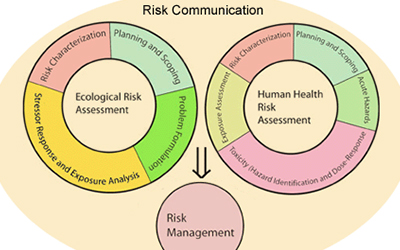
The goal of risk communication is to influence risk perception sufficiently enough to motivate the audience to protective action. This course details the components of communicating risk effectively, including targeting audiences and developing messages. The course also outlines psychological factors associated with risk perception and decision making.

by R-IV PHTC | Jan 6, 2020 | Training
Project GoDIS: Digital Innovations Focusing on Health Promotion and Exercise Motivation in Sweden
Year: 2018 | Competency/Strategic Skill: Program Planning | Priority Topic: N/A | Setting: Online | Format: On-Demand | Sponsor: University of North Carolina, Wilmington
Overview:
This is a 90-minute recording of a live lecture.
Although Sweden is viewed by the U.S. as having a healthy population that has unlimited access to healthcare, there are still some challenges. Specifically, approximately 44% of Swedes self-report insufficient physical activity (objective measures show as low as 4-7% meeting recommendations) and approximately 20% of the population is estimated to have a sedentary lifestyle. In efforts to address this health problem and to promote a more physical active community, it is important to use innovative strategies that involve technology. Although e-health services are multi-faceted, current literature demonstrates a distinct need for theoretically-grounded interventions and services.

by R-IV PHTC | Jan 6, 2020 | Training
The Most Used Medical Device in the World
Year: 2017 | Competency/Strategic Skill: Program Planning | Priority Topic: N/A | Setting: Online | Format: On-Demand | Sponsor: University of North Carolina, Wilmington
Overview:
This is an 80-minute recording of a live lecture.
Most people understand that technology is the future of healthcare, but few have actual experience with what this looks like and how you can use it to facilitate your health and wellness. This session will provide insight on how to engage your patients/client in their health through the use of data collected through technological innovations. It will also address how providers can use this data to demonstrate improvements in population health.

by R-IV PHTC | Jan 6, 2020 | Training
Bring the Agency for Healthcare Research and Quality (AHRQ) Health Literacy Precautions to Life in Your Practice
Year: 2017 | Competency/Strategic Skill: Communication | Priority Topic: N/A | Setting: Online | Format: On-Demand | Sponsor: University of North Carolina, Wilmington
Overview:
This is a 60-minute recording of a live webinar.
The purpose of this presentation is to inform and engage participants about health literacy. The presentation will increase understanding of health literacy, the importance of a health literate organization and how to implement specific tools of the Agency for Health and Research Quality (AHRQ) Health Literacy Universal Precautions Toolkit. The AHRQ Health Literacy Universal Precautions Toolkit is considered to be a comprehensive coordinated program that supports education of health literacy at the organizational level. The compilation of tools are for any practice to implement when they assume that all patients many have some difficulty with health information and access to services. By using universal tools the system is easier to navigate and miscommunication is minimized. The toolkit provides evidence-based guidance that ensures a health care practice provides better understanding by all patients not just those we think need extra assistance. By building health literacy into all areas of a health care practice we provide improved odds of patients having successful health outcomes.
by R-IV PHTC | Jan 6, 2020 | Training
Improving Health Literacy Strategies for Better Patient Care
Year: 2017 | Competency/Strategic Skill: Cultural Competence, Diversity and Inclusion | Priority Topic: N/A | Setting: Online | Format: On-Demand | Sponsor: University of North Carolina, Wilmington
Overview:
This is a 30-minute recorded webcast.
The purpose of the program is to educate community and public health care support service staff about health literacy and their role in health literacy for improved patient outcomes, and strategies to implement health literacy practices in their organization.

by R-IV PHTC | Jan 6, 2020 | Training
Year: Unknown | Competency/Strategic Skill: N/A | Priority Topic: N/A | Setting: Online | Format: On-Demand | Sponsor: East Tennessee State University
Overview:
This is a self-paced module.
This module discusses the physiology and treatment of hypertension, also known as high blood pressure.

by R-IV PHTC | Jan 6, 2020 | Training
Resources Available from the Million Hearts Initiative
Year: Unknown | Competency/Strategic Skill: N/A | Priority Topic: N/A | Setting: Online | Format: On-Demand | Sponsor: East Tennessee State University
Overview:
This is a self-paced module.
At the end of this module, the learner will be familiar with resources available to clinicians from the Million Hearts website. These resources include protocols, medication adherence strategies, action guides, undiagnosed hypertension information, self-measured blood pressure monitoring, cardiac rehabilitation, particle pollution and heart disease information, physical activity promotion, tobacco cessation tools, health information technology guides, and data and reports.

by R-IV PHTC | Jan 6, 2020 | Training
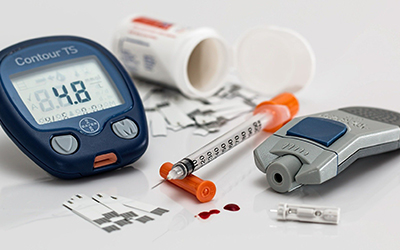
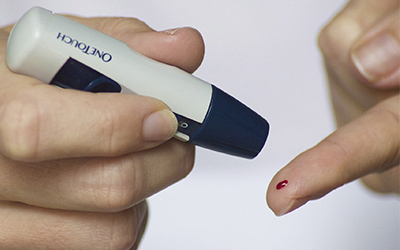
Diabetes Physiology and Treatment
Year: Unknown | Competency/Strategic Skill: N/A | Priority Topic: N/A | Setting: Online | Format: On-Demand | Sponsor: East Tennessee State University
Overview:
This is a self-paced module.
This is a multi-lesson module composed of three lessons: Gestational Diabetes Mellitus, Type I Diabetes and Type II Diabetes.

by R-IV PHTC | Jan 6, 2020 | Training
Diabetes Self-Management and Education Services
Year: Unknown | Competency/Strategic Skill: Program Planning | Priority Topic: N/A | Setting: Online | Format: On-Demand | Sponsor: East Tennessee State University
Overview:
This is a self-paced module.
This training will provide professionals information on different community-based programs focused on the prevention and management of diabetes. Participants will learn program content, how to register, cost, and other useful information to guide referral and usage.
By the end of the training participants will be able to:
- Describe the findings of the National Diabetes Prevention Program research study.
- Describe the goals and structure of the National Diabetes Prevention Program.
- Explain the difference between Diabetes Self-Management Education programs and the National DPP.
- Describe the current state of delivery of the National DPP (number and type of organizations, status of reimbursement to date, etc.).
- Implement screening and referral recommendations put forth by the AMA and CDC.List the main components of the DSME programs.
- Locate and refer clients to DSME programs within service area(s).
- Discuss the main components and purpose of Million Hearts.
- Access Million Hearts materials and implement in practice.
- Describe the study conducted and employed methodology to identify provider needs in diabetes prevention.
- Discuss findings from the study with special focus on provider comfort in treating and referring pre-diabetic, diabetic and hypertensive patients.
- Counsel clients and patients in best practices for diabetes prevention.

by R-IV PHTC | Jan 6, 2020 | Training
Public Health Data and You
Year: Unknown | Competency/Strategic Skill: Data Analytics and Assessment | Priority Topic: N/A | Setting: Online | Format: On-Demand | Sponsor: East Tennessee State University
Overview:
This is a self-paced module.
This training provides a practical understanding of statistical approaches to data summary, presentation, and analysis that can be used by public health professionals at all levels.

by R-IV PHTC | Jan 6, 2020 | Training
Quality and Process Improvement
Year: Unknown | Competency/Strategic Skill: Problem Solving | Priority Topic: N/A | Setting: Online | Format: On-Demand | Sponsor: East Tennessee State University
Overview:
This is a self-paced module expected to take 4.5 hours to complete.
This course is a 3 module design that will help professionals learn what CQI is and introduce tools and techniques to improve organizational productivity and process outcomes.

by R-IV PHTC | Jan 6, 2020 | Training
Year: 2011 | Competency/Strategic Skill: N/A | Priority Topic: N/A | Setting: Online | Format: On-Demand | Sponsor: East Tennessee State University
Overview:
This is a 75-minute recording of a live lecture.
Stan Brock, Founder of Remote Area Medical, discusses advocating for the health care needs of the world’s under-served populations.

by R-IV PHTC | Jan 6, 2020 | Training
TDH Commissioners Roundtable
Year: 2012 | Competency/Strategic Skill: Leadership and Systems Thinking | Priority Topic: N/A | Setting: Online | Format: On-Demand | Sponsor: East Tennessee State University
Overview:
This is a 90-minute recording of a live panel discussion.
This presentation shares the unique perspectives of Tennessee Commissioners’ of Health who served the State for over 30 years.

by R-IV PHTC | Jan 6, 2020 | Training
Human Resources Management
Year: Unknown| Competency/Strategic Skill: Resource Management and Financial Planning | Priority Topic: N/A | Setting: Online | Format: On-Demand | Sponsor: East Tennessee State University
Overview:
This is a two-part, self-paced module expected to take three hours to complete.
This course is designed to assist management and leadership public health professionals more proactively manage one of their most important resources: their workforce.

by R-IV PHTC | Jan 6, 2020 | Training
Year: Unknown | Competency/Strategic Skill: Data Analytics and Assessment | Priority Topic: N/A | Setting: Online | Format: On-Demand | Sponsor: East Tennessee State University
Overview:
This is a two-part, self-paced module expected to take six hours to complete.
The field of informatics deals with the study of information; how it is collected, organized, stored, retrieved, transmitted and secured.

by R-IV PHTC | Dec 24, 2019 | Training
Year: 2013 | Competency/Strategic Skill: Leadership and Systems Thinking | Priority Topic: N/A | Setting: Online | Format: On-Demand
Sponsor: East Tennessee State University
Overview:
This is an 80-minute recording of a live lecture.
Dr. Ness discusses her statement,”The joy of producing surprising improvements in health and prosperity has become outweighed by societal caution. That caution embodies the fear that science might not produce the immediate pay-offs that we expect from our investments.

by R-IV PHTC | Dec 24, 2019 | Training
Health Professionals for the 21st Century
Year: 2012 | Competency/Strategic Skill: Leadership and Systems Thinking | Priority Topic: N/A | Setting: Online | Format: On-Demand | Sponsor: East Tennessee State University
Overview:
This is a one-hour recording of a live lecture.
Julio Frenk, Dean of the Harvard School of Public Health, discusses educating future health professionals in the 21st century.

by R-IV PHTC | Dec 6, 2019 | Training
The Past, Present, and Future of Opiates
Year: 2018 | Competency/Strategic Skill: N/A | Priority Topic: Opioid Abuse | Setting: Online | Format: On-Demand | Sponsor: Florida A&M University
Overview:
This is a recording of a webinar.
This program will provide an introductory overview of opiate use and abuse from Dr. Leonard Rappa. Dr. Rappa is a professor at the College of Pharmacy and Pharmaceutical Sciences at Florida A&M University. Dr. Rappa also serves as a Board Certified Psychiatric Pharmacy Specialist (BCCP). Some of his research interests include child and adolescent psychiatry, psychosis and antipsychotic medications, depression and antidepressants, psychopharmacology, and substance abuse.
By the end of this training, participants should be able to:
- Recognize signs and symptoms of a drug use disorder.
- Understand the severity of opiate addiction and abuse in America.
- Assess the risks of co-prescribing certain medications with opiates.
- Evaluate prescribing patterns and overdoses specific to Florida.

by R-IV PHTC | Dec 2, 2019 | Training
Fungal Meningitis Outbreak Lessons
Year: 2013 | Competency/Strategic Skill: Program Planning | Priority Topic: Other Infectious Diseases | Setting: Online | Format: On-Demand | Sponsor: East Tennessee State University
Overview:
This is a one-hour recording of a live lecture.
The Tennessee Department of Health, through a rapid interdisciplinary team, played a vital role in the identification and response to the multi-state fungal meningitis outbreak. The Commissioner’s perspectives on this dramatic, nation-wide outbreak, and his interpretations of the lessons learned are vitally important for every public health professional.

by R-IV PHTC | Nov 13, 2019 | Training
What’s working? Population-based Strategies for Obesity Prevention through Improving Healthy Eating and Active Living Opportunities for Georgians
Year: 2014 | Competency/Strategic Skill: Program Planning | Priority Topic: Childhood Obesity | Setting: Online | Format: On-Demand |
Sponsor: Emory Unversity/Central Office
Overview:
This is a 90-minute recording of a live lecture.
The epidemic of obesity is profound in our state and across the nation. Obesity is one of the Georgia Department of Public Health’s top health priorities. This presentation will speak to obesity prevention strategies, best practices and related initiatives at both the national and state level. Data sources and programmatic resources will be presented at both levels as well.
A group whose numbers of obese are rapidly increasing is our youth. Georgia’s youth fitness and health data will be presented, and some of the state initiatives built around this alarming data will be promoted and discussed. Over the last few years, a combined effort between public and private organizations has led to some successful initiatives. The vital relationships that have been built across Georgia in pursuing and implementing so much of the obesity prevention work will be communicated, as well as Georgia’s long term strategic goals and objectives around childhood obesity.
Captain Heidi Michels Blanck, M.S., Ph.D., CDC’s Chief of the Obesity Prevention and Control Branch in the Division of Nutrition, Physical Activity, and Obesity will present the national nutrition, physical activity, and obesity perspective (www.cdc.gov/obesity). Emily Anne Vall, M.A., Ph.D., Obesity Project Manager, Georgia Department of Public Health will present on Georgia’s obesity initiatives.

by R-IV PHTC | Nov 13, 2019 | Training
Public Health and Nutrition
Year: Unknown | Competency/Strategic Skill: Program Planning | Priority Topic: Childhood Obesity | Setting: Online | Format: On-Demand | Sponsor: East Tennessee State University
Overview:
This is a self-paced module expected to take three hours to complete.
This course provides an introduction to public health nutrition, discusses the methods of promoting public health nutrition, delineates the dangers and complications of obesity, and provides resources for public health nutrition education.

by R-IV PHTC | Nov 13, 2019 | Training
Year: Unknown | Competency/Strategic Skill: Resource Management and Financial Planning | Priority Topic: N/A | Setting: Online | Format: On-Demand Sponsor: East Tennessee State University
Overview:
This is a self-paced module expected to take 1.5 hours to complete.
In this course, students will learn how to evaluate and interpret an RFP, develop action approaches and create a working document from the RFP, and construct an outline that incorporates goals for RFP requirements.

by R-IV PHTC | Nov 13, 2019 | Training
Air Pollution and Health: Making the Jump between the Laboratory Bench and Public Policy
Year: 2011 | Competency/Strategic Skill: Policy Development | Priority Topic: N/A | Setting: Online | Format: On-Demand | Sponsor: Emory Unversity/Central Office
Overview:
This is a 90-minute recording of a live lecture.
Every day millions of Americans are exposed to air pollution levels that have been shown to be linked to both acute and chronic health effects. Sources of air pollution are not created equal, however, and some are known to be more toxic than others. This talk will provide an overview of specific urban air pollutants of greatest concern and discuss the relative risk of the air pollution burden in Georgia. We will also learn about methods for estimating human health risk and the limitations for interpreting these estimates. Finally, we will discuss interventions designed to protect individuals from air pollution-related adverse health impacts ranging from public policies to individual behavioral modification.

by R-IV PHTC | Nov 13, 2019 | Training
Immunization in Georgia: Where We Are and Where We Need to Go
Year: 2014 | Competency/Strategic Skill: N/A | Priority Topic: Other Infectious Diseases | Setting: Online | Format: On-Demand | Sponsor: Emory Unversity/Central Office
Overview:
This is a one-hour recording of a live lecture.
Dr. Patrick O’Neal, Director of Health Protection in the Georgia Department of Public Health (DPH) and Mr. Steve Mitchell, Georgia Immunization Director with DPH will provide an overview of the value of immunization for community resilience and efforts by DPH to improve vaccine coverage statewide, particularly in those ages 3 and under.

by R-IV PHTC | Nov 13, 2019 | Training
Tobacco in Georgia: A Comprehensive Approach to Prevention and Cessation
Year: 2014 | Competency/Strategic Skill: Program Planning | Priority Topic: N/A | Setting: Online | Format: On-Demand | Sponsor: Emory Unversity/Central Office
Overview:
This is a 90-minute recording of a live lecture.
Dr. Tim McAfee, Director of CDC’s Office of Smoking and Health presents the national perspective on tobacco control, including on the recently released Surgeon General’s Report and newly revised evidence-based best practices. Dr. Jean O’Connor, Director of Health Promotion and Disease Prevention in the Georgia Department of Public Health (DPH) discusses progress on Georgia’s continuing and emerging strategies to prevent tobacco use and help people in Georgia to quit, including data on the efficacy of and opportunities around expansion of Georgia’s Tobacco Quitline; progress toward tobacco-free schools; and, tools and resources for tobacco-free colleges and universities.

by R-IV PHTC | Nov 13, 2019 | Training
Prostate Cancer Disparities in Florida
Year: 2018 | Competency/Strategic Skill: N/A | Priority Topic: N/A | Setting: Online | Format: On-Demand | Sponsor: Florida A&M University
Overview:
This is a recording of a webinar.
Join Dr. Ernie Kaninjing as he discusses prostate cancer disparities in Florida. At the University of Florida, Dr. Kaninjing conducts research examining the biological, behavioral, and environmental risk factors for prostate cancer in Black men globally. Dr. Kaninjing also manages the Minority in Cancer Research Training Center (MiCaRT) at the University of Florida and Florida A&M University which focuses on cancer research and training for African-Americans in Florida. As the project manager at the Prostate Cancer Transatlantic Consortium (CaPTC), supported by the National Cancer Institute (NCI), Dr. Kaninjing continues his research aimed at identifying and examining prostate cancer disparities globally.
By the end of this training, participants should be able to:
- Define key terms related to prostate cancer
- Identify groups (sub-populations) affected by disparities in Florida
- Quantify the nature of prostate cancer disparities in Florida
- Understand how geography can enhance our understanding of disparities
- Identify contributing factors to disparities in prostate cancer
- Explore treatment patterns among newly diagnosed prostate cancer patients in Florida
- Explore possible actions that can be pursued to eliminate disparities in prostate cancer outcomes in Florida

by R-IV PHTC | Nov 13, 2019 | Training
Disruptive Innovations in Public Health Education
Year: 2012 | Competency/Strategic Skill: Leadership and Systems Thinking | Priority Topic: N/A | Setting: Online | Format: On-Demand | Sponsor: East Tennessee State University
Overview:
This is a one-hour recording of a live lecture.
Dr. Ian Lapp, Associate Dean for Strategic Educational Initiatives, Harvard School of Public Health, discusses how massive open online courses (MOOCs) will impact higher education, noting that some suggest the modern university, as we know it, will be irrevocably changed.

by R-IV PHTC | Nov 13, 2019 | Training
Children’s Environmental Health: More Than Smoke and Mold
Year: 2019 | Competency/Strategic Skill: N/A | Priority Topic: N/A | Setting: Online | Format: On-Demand | Sponsor: Alabama Public Health Training Network, Alabama Department of Public Health
Overview:
This is a one-hour recording of a live webcast.
The World Health Organization (WHO) estimates that more than 1 in 4 child deaths could be prevented by cleaning up the environment. Because of their developing bodies and minds, children can be at greater risk of harm to environmental toxicants than adults. This broadcast will provide information on common sources of environmental hazards in the air, water, and even in our homes and schools. Viewers will learn how to offer evidence-based, practical advice to families, schools, and communities to promote a healthy environment.
By the end of this training, participants should be able to:
- Describe the unique vulnerabilities of early life to environmental exposures and threats, and how these can predispose the child to later life disease.
- Describe the top environmental health issues relevant to children, and children and families at greatest risk.
- Identify actionable environmental health messages to use in clinical practice.
- Identify resources to support healthy environments where clinicians provide care for children and families.
- Identify resources to support healthy environments where children live, learn, and play.

by R-IV PHTC | Nov 13, 2019 | Training
Chemical Warfare: A Primer for First Responders & Receivers
Year: 2019 | Competency/Strategic Skill: N/A | Priority Topic: N/A | Setting: Online | Format: On-Demand | Sponsor: Alabama Public Health Training Network, Alabama Department of Public Health
Overview:
This is a one-hour recording of a live webcast.
The purpose of this program is to raise awareness of the dangers caused by single and dual use chemicals that have been used in warfare such as arsenicals. Program faculty will describe challenges in prevention and response for first responders and receivers in caring for victims of chemical exposure.
By the end of this training, participants should be able to:
- List major chemical agents used in warfare such as arsenicals, sulfur mustard, nerve agents and chlorine.
- Describe important historical and recent examples of chemical agents use in warfare.
- Enumerate clinical components of major chemical toxidromes.
- Discuss challenges in prevention of these incidents and medical care of victims.

by R-IV PHTC | Nov 13, 2019 | Training
How MI am I? Working with Clients Across the Spectrum of Volunteerism
Year: 2019 | Competency/Strategic Skill: Communication | Priority Topic: N/A | Setting: Online | Format: On-Demand | Sponsor: Alabama Public Health Training Network, Alabama Department of Public Health
Overview:
This is a one-hour recording of a live webcast.
Clients and patients present for services in varying degrees of readiness to change. Motivational Interviewing (MI) is one evidence-based method deemed effective for addressing behavior change across the spectrum of motivation. The purpose of this program is to provide a brief introduction to MI, a person-centered and goal-oriented method for enhancing intrinsic motivation to change by eliciting an individual’s own reasons and means for change.
By the end of this training, participants will be able to:
- Define spectrum of”volunteerism.”
- Provide a brief review of MI.
- Describe active listening, accurate empathy, and empathic understanding.
- Discuss how MI can enhance engagement across the spectrum of volunteerism.

by R-IV PHTC | Nov 13, 2019 | Training
Ending the Silence, It’s Not Too L.A.T.E. – Listen, Act, Think, Educate
Year: 2019 | Competency/Strategic Skill: N/A | Priority Topic: N/A | Setting: Online | Format: On-Demand | Sponsor: Alabama Public Health Training Network, Alabama Department of Public Health
Overview:
This is a 90-minute recording of a live webcast.
Domestic abuse and sexual assault identification, resources, and education is ever increasing, particularly in the trauma-informed treatment of patients in the clinic setting. This program will increase the understanding and awareness of domestic abuse and sexual assault in society, amongst professionals and people in general.
By the end of this training, participants will be able to:
- Identify types of domestic violence and sexual assault/violence.
- Explain the psychological, mental and physical reactions to domestic violence and sexual assault/violence.
- Define trauma-informed practices and response to domestic violence and sexual assault/violence.
- Integrate knowledge into trauma-informed care when providing services.

by R-IV PHTC | Nov 13, 2019 | Training
Ethical Practice in Helping Professions
Year: 2019 | Competency/Strategic Skill: Problem-Solving | Priority Topic: N/A | Setting: Online | Format: On-Demand | Sponsor: Alabama Public Health Training Network, Alabama Department of Public Health
Overview:
This is a one-hour recording of a live webcast.
This program will look at seven situations where unethical, unprofessional or illegal behavior is exhibited. Program faculty will discuss the behavior exhibited in the situations and review the National Association of Social Work Code of Ethics, as well as, the Alabama State Board of Social Work Examiners Administrative Code.
By the end of this training, participants will be able to:
- Explain why ethics training is important.
- List the continuing education requirements for ethics training.
- Summarize the National Association of Social Work Code of Ethics.
- List several unprofessional behaviors that can lead to discipline within helping professions.

by R-IV PHTC | Nov 13, 2019 | Training
The Sordid Truth About Sex Trafficking
Year: 2018 | Competency/Strategic Skill: N/A | Priority Topic: N/A | Setting: Online | Format: On-Demand | Sponsor: Alabama Public Health Training Network, Alabama Department of Public Health
Overview:
This is a two-hour recording of a live webcast.
Sex trafficking is a form of modern-day slavery in which individuals perform commercial sex through the use of force, fraud, or coercion. This type of modern-day slavery isn’t just relegated to brothels and back alleys of larger cities. It’s happening in all 50 states. It is estimated that there are almost five million people trapped in forced sexual exploitation globally, and the sex trafficking ‘super highway’ runs from Birmingham, Alabama to Atlanta, Georgia. Program faculty will discuss the latest statistics associated with sex trafficking in the United States, the various types and signs of sex trafficking, and tattoos that are commonly associated with victims. The program will also provide information on the physical injuries and mental issues, along with discussing the needs of sex trafficking victims.

by R-IV PHTC | Nov 13, 2019 | Training
Human Trafficking: The Nightmare Nextdoor
Year: 2018 | Competency/Strategic Skill: N/A | Priority Topic: N/A | Setting: Online| Format: On-Demand | Sponsor: Alabama Public Health Training Network, Alabama Department of Public Health
Overview:
This is a one-hour recording of a live webcast.
Trafficking in persons has existed since the beginning of time. What was once thought to be limited to slavery in foreign countries, is now recognized as occurring in numerous forms and much closer to home. Human trafficking is a $150 billion dollar a year industry, and the numbers are rising. This program will provide an introductory overview of human trafficking.
By the end of this training, participants should be able to:
- Identify at least 3 types of human trafficking
- Identify at least 3 ‘red flag’ warning signs of a trafficking victim
- List at least 2 ways to report suspected human trafficking

by R-IV PHTC | Nov 12, 2019 | Training
Antibiotic Use and Antibiotic Resistance
Year: 2018 | Competency/Strategic Skill: N/A | Priority Topic: Other Infectious Diseases | Setting: Online | Format: On-demand |
Sponsor: Alabama Public Health Training Network, Alabama Department of Public Health
Overview:
This is a 90-minute recording of a live webcast.
This program will address one of the biggest public health challenges of our time: antibiotic resistance. Faculty will aim to provide better understanding of the roles of professionals in Antibiotic Stewardship.
By the end of this training, participants should be able to:
- Define terms such as “antimicrobials,” “antibiotic resistance,” “antibiotic stewardship,” “diagnostic stewardship”
- Describe mechanisms of the development of antibiotic resistance
- Define factors that contribute to antibiotic resistance
- Describe action steps that one can take to prevent antibiotic resistance and the spread of antibiotic-resistant organisms

by R-IV PHTC | Nov 12, 2019 | Training
Year: Unknown | Competency/Strategic Skill: Public Health Fundamentals | Priority Topic: N/A | Setting: Online | Format: On-Demand | Sponsor: East Tennessee State University
Overview:
This is a self-paced module expected to take five hours to complete.
This Introduction to Public Health curriculum is composed of six sections: History of Public Health, Principles of Public Health, Public Health Tools and Services, the Public Health Workforce and Health Professionals, Public Health Institutions, and Health Care Systems and Ethics of Public Health.

by R-IV PHTC | Nov 12, 2019 | Training
Helping Alabama Stay Healthy Through Assessing for Substance Use: Screening, Brief Intervention, Referral to Treatment (SBIRT)
Year: 2018 | Competency/Strategic Skill: Data Analytics and Assessment | Priority Topic: Opioid Abuse | Setting: Online | Format: On-demand | Sponsor: Alabama Public Health Training Network, Alabama Department of Public Health
Overview:
This is a one-hour recording of a live webcast.
This program will focus on the assessment of substance use as a prevention tool. Program faculty will discuss an evidenced based assessment method called SBIRT (Screening, Brief Intervention and Referral to Treatment) that has been shown to be effective in reducing substance misuse.
By the end of this training, participants should be able to:
- Understand the impact of substance use and misuse at the individual and population health levels
- Explore the need for substance assessment in public health and primary care
- Define how the concept of SBIRT works
- Review screening tools that can be incorporated into practice
- Discuss methods for assessing for substance use without disengaging your patient

by R-IV PHTC | Nov 8, 2019 | Training
Physicians & Pre-Exposure Prophylaxis (PrEP)
Year: 2018 | Competency/Strategic Skill: N/A | Priority Topic: HIV/AIDS | Setting: Online | Format: On-demand | Sponsor: Alabama Public Health Training Network, Alabama Department of Public Health
Overview:
This is a two-hour recording of a live webcast.
Many people are at high risk for contracting HIV infection. Those at risk could benefit from pre exposure prophylaxis (PrEP). Many people have never heard of PrEP and are not receiving it. Many health providers have also never heard of PrEP and those who have may be uncomfortable prescribing it. PrEP is a promising new biomedical intervention that can prevent HIV infection in persons at high risk for contracting HIV. PrEP and the use of condoms are even more effective in preventing HIV infection. PrEP is not reaching the people who could benefit from it. PrEP has the potential to reduce new HIV infections if potential patients know about it, have access to it and it is taken as prescribed. Patients need to be informed and discussions need to occur regarding access PrEP and the benefits and myths surrounding PrEP.
By the end of this training, participants should be able to:
- Define PrEP services.
- Describe how PrEP works.
- Discuss how PrEP is used for HIV treatment and prevention activities.
- Explain the importance of taking PrEP as prescribed.
- Explain the possible side effects related a PrEP regimen.
- Describe PrEP related stigma.
- Outline the follow up screenings required for a PrEP regimen.
- List available resources for paying for PrEP.
- Identify innovative solutions to increase the usage of PrEP.